Source traditional handcrafted gua sha tool for face massage, skin care, and relaxation
Compare 30 listings of traditional handcrafted gua sha tool options featuring materials like gemstone and zinc alloy. Buyers can review MOQs, sample times, and customization details for face massage, skin care, and relaxation applications.
Key considerations
Products List
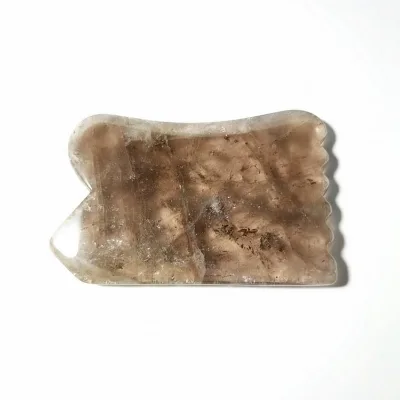
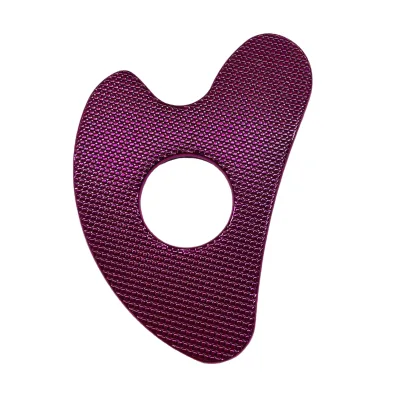


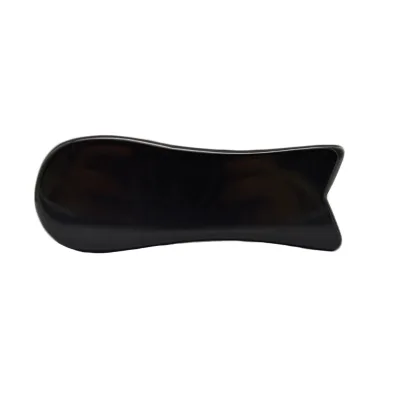
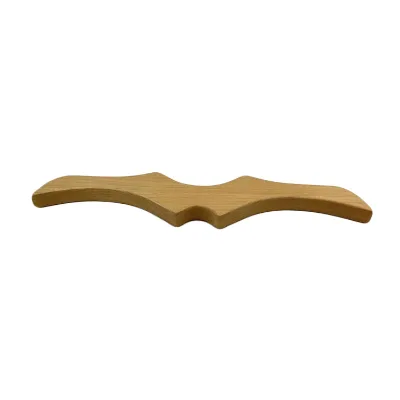



Comprehensive Sourcing Guide
Sourcing Guide for Traditional Handcrafted Gua Sha Tools
Understanding Product Specifications and Material Variations
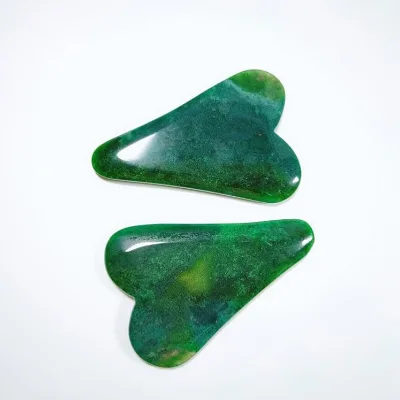
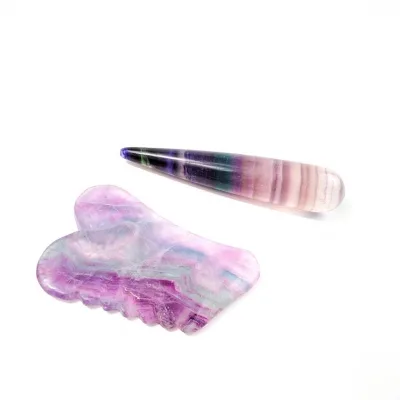
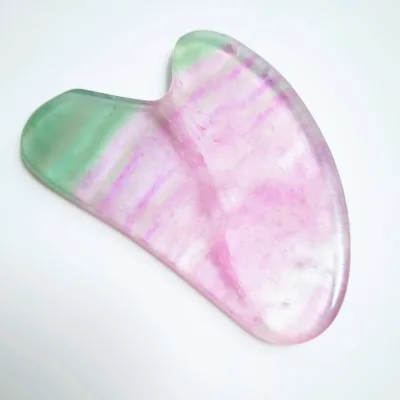
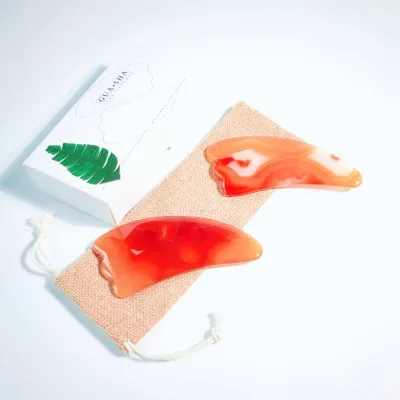
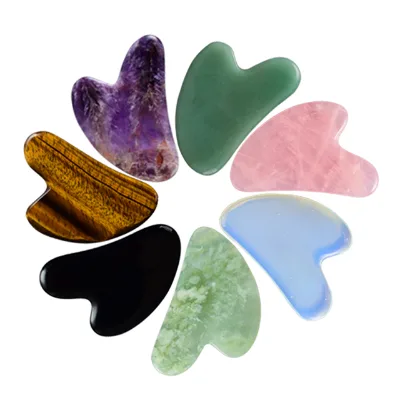
When sourcing traditional handcrafted gua sha tools, buyers must first navigate a diverse landscape of material compositions and dimensional specifications. The core keyword implies a focus on artisanal techniques, yet the market data reveals a spectrum ranging from natural gemstones to engineered alloys. A primary observation in the current supply base is the prevalence of "gemstone gua sha boards" and specific stones such as "Fluorite Handmade GuaSha." These natural materials are often associated with the "Carved" technique, suggesting a manual shaping process that aligns with the traditional handcrafted narrative. However, buyers must also account for non-stone alternatives that appear in the same category, such as "Heart Gua Sha Zinc Alloy Facial Guasha Massager." This material variation significantly alters the product's thermal properties, weight, and durability profile.
Dimensional consistency is another critical specification factor. While some listings provide precise measurements, such as a "Handmade GuaSha" size of approximately "85*50mm," others adopt a flexible approach with "Size: as picture" or "Customer Request." This discrepancy requires buyers to establish clear tolerance limits before placing orders. The physical form factor is equally varied, with shapes ranging from standard scraping boards to specific designs like the "Heart Handmade GuaSha" or "Love" style. The single package size also varies, with observations showing dimensions like "15X15X5 cm" for larger sets and "8X5X2 cm" for compact single units. Understanding these physical attributes is essential for logistics planning, as the "Single gross weight" is recorded at "0.100 kg" for certain items, influencing shipping costs and carton stacking efficiency.
Technical Compliance and Certification Verification
The procurement of beauty tools involves specific regulatory and safety considerations, particularly regarding skin contact and material safety. While the provided data mentions "Eco-friendly" as an attribute for OEM and ODM services, it does not explicitly confirm specific certification statuses for the listed products. Buyers should be aware that while background knowledge often associates such products with standards like ISO 9001, ISO 14001, or ISO 13485, these cannot be assumed for specific listings without direct verification from the supplier. Similarly, certifications such as BSCI or FSC are noted in general background contexts but should not be treated as guaranteed attributes of the "traditional handcrafted" items unless explicitly documented in the supplier's current compliance dossier.
For products made from "Zinc Alloy" or "Fluorite," verifying the absence of harmful heavy metals is a critical technical compliance step. The "Shelf Life" is listed as "2 Years" for certain items, which serves as a baseline for material stability, but buyers should request specific material safety data sheets (MSDS) to confirm that the "Carved" surfaces do not harbor micro-cracks where bacteria could accumulate. The "Application" field indicates "Accept," suggesting these tools are intended for general facial use, but the "Skin Type" is specified as "Combination" in some listings, implying that material porosity or surface finish may vary based on the target demographic. Buyers must verify that the "Color" options, which include "White, Black, Pink and So on," are achieved through safe, non-toxic dyes or plating processes, especially for metal-based tools.
Cost Drivers and Pricing Dynamics
The pricing structure for traditional handcrafted gua sha tools is influenced by a complex interplay of material costs, labor intensity, and customization requirements. The observed price range in the market spans from $0.28 to $14.00 USD, a wide variance that reflects the difference between mass-produced zinc alloy items and high-end, hand-carved gemstone variants. The lower end of the spectrum likely corresponds to standardized metal tools with minimal finishing, while the higher end encompasses natural stones like jade or rose quartz, which require careful sourcing and skilled carving.
Minimum Order Quantity (MOQ) is a significant cost driver in this sector. Data indicates an MOQ range of 1 to 1000 units, with specific constraints such as "20pcs each stone" or "50pcs each design." These per-design or per-material MOQs can impact the unit cost; smaller orders often incur higher per-unit prices due to the setup costs associated with "Carved" techniques. Furthermore, the "Customized Logo" and "Customized packing" options introduce additional variable costs. While the "Packaging Details" mention a standard of "50pcs per carton with bubble filled," custom packaging requests will alter the "Single package size" and potentially the "carton size," leading to increased material and labor expenses. Buyers should also consider the "Lead time" of 15-30 days as a factor in inventory holding costs, as longer production windows may necessitate earlier capital deployment.
Typical Applications and Target Demographics
Traditional handcrafted gua sha tools are primarily designed for facial massage and skincare enhancement. The "Body Part" is consistently identified as the "Face," with specific applications targeting "Anti-Aging" benefits. The "Function" of these tools is to facilitate lymphatic drainage and improve circulation, which is why the "Age Group" is listed as "All Ages" and the "Gender" as "Unisex." However, the specific design elements often cater to particular user preferences or aesthetic trends. For instance, the "Heart" shape and "Love" style suggest a marketing angle focused on self-care rituals and emotional well-being, while the "Zinc Alloy" variants may appeal to users seeking a more durable, cooler-to-the-touch instrument.
The "Product Type" is broadly categorized as "gua sha face tool," "guasha massage tool," or "rose quartz gua sha," indicating that the same functional device can be marketed under different names depending on the material or style. The "Application" being "Accept" implies versatility in usage, suitable for both professional spa environments and home care routines. Buyers should note that while the "Skin Type" is noted as "Combination" in some contexts, the tools are generally intended for all skin types, provided the surface finish is smooth enough to prevent abrasion. The "Item" description as a "massage scraping tool" or "scraping board" reinforces the mechanical nature of the application, requiring users to apply specific pressure and technique to achieve the desired therapeutic effects.
Supplier Evaluation and Production Capabilities
Evaluating suppliers for traditional handcrafted gua sha tools requires a focus on their production capacity and consistency. The "Supply Ability" is reported as "900000 pieces per Month," indicating that many suppliers possess significant manufacturing infrastructure capable of handling large-scale orders. However, the "Handmade" designation suggests a reliance on skilled labor, which can introduce variability in output consistency. Buyers should verify if the "Carved" technique is performed entirely by hand or if it involves a hybrid of manual finishing and machine assistance.
The "Place of Origin" is consistently identified as "Guangdong, China," a region known for its robust manufacturing ecosystem. This location offers advantages in terms of supply chain integration but requires buyers to conduct thorough due diligence regarding the specific factory's quality control processes. The "Sample time" of 3-5 days is a positive indicator of responsiveness, allowing buyers to evaluate the "Shape" and "Material" quality before committing to a bulk order. When assessing suppliers, buyers should request samples of the "Customized Logo" application to ensure the branding does not compromise the tool's aesthetic or functional integrity. Additionally, the availability of "OEM&ODM" services suggests that suppliers are flexible in adapting to specific design requirements, but this flexibility must be balanced against the potential for increased lead times or minimum order thresholds.
Quality Control and Long-Term Procurement Strategy
Implementing a robust quality control (QC) strategy is essential for maintaining the integrity of traditional handcrafted gua sha tools. Given the "Carved" nature of the products, surface smoothness is a critical QC parameter; any rough edges or imperfections can cause skin irritation. Buyers should establish acceptance criteria for the "Shape" and "Size," ensuring that variations from the "as picture" standard remain within acceptable tolerances. For metal-based tools like the "Zinc Alloy" variants, QC should include checks for plating adhesion and corrosion resistance, especially given the "Shelf Life" of 2 years.
Long-term procurement considerations involve building a relationship with suppliers who can maintain consistency across production batches. The "Packaging Details" specify a standard of "50pcs per carton with bubble filled," which protects the tools during transit. However, for long-term contracts, buyers should negotiate for reinforced packaging solutions that minimize damage rates. The "Model Number" variations, such as "GS03825," "GS02325," and "GS058," indicate a diverse product line; buyers should ensure that their procurement strategy includes a clear mapping of these model numbers to specific material and design attributes to avoid confusion in future reorders. Finally, buyers should monitor the "Lead time" fluctuations, as the 15-30 day window can be affected by seasonal demand or raw material availability, particularly for natural stones like "Fluorite" or "Jade." By maintaining open communication and setting clear expectations regarding "Customization" and "Logo" placement, buyers can secure a reliable supply chain for these essential beauty tools.
FAQs
What materials are used for traditional handcrafted gua sha tools?
Materials include gemstone gua sha boards, fluorite, and zinc alloy. Some items are handmade with carved techniques, while others use engineered metals. Buyers must verify the specific material for each model number to ensure it meets their durability and thermal property requirements.
How can I customize the logo on these tools?
Customized logo options are available for OEM and ODM services. Suppliers offer eco-friendly customization, but the specific application method depends on the material, such as stone or zinc alloy. Buyers should confirm the logo placement details before placing bulk orders to ensure branding integrity.
What is the minimum order quantity for stone-based tools?
The MOQ is 20 pieces for each stone design. Some zinc alloy designs require a minimum of 50 pieces per design. These thresholds vary by material and style, so buyers must check the specific model number to confirm the exact quantity required for a successful order.
Which lead time should I expect for production?
The standard lead time ranges from 15 to 30 days. Sample preparation takes 3 to 5 days before bulk production begins. Buyers should account for this window when planning inventory, as the timeline may fluctuate based on order volume and customization complexity.
Can I request specific packaging for my order?
Customized packing is welcome for bulk orders. Standard packaging involves 50 pieces per carton with bubble filling, but dimensions can vary by product. Buyers should specify their packaging needs early to ensure the single package size and carton dimensions align with their logistics requirements.
What is the supply capacity of these manufacturers?
Suppliers report a supply ability of 900,000 pieces per month. This high capacity supports large-scale orders but relies on consistent labor for handmade items. Buyers should verify current stock levels and production schedules to ensure the supplier can meet their specific volume demands within the lead time.
Where are these tools manufactured?
The place of origin is Guangdong, China. This region offers a robust manufacturing ecosystem for beauty tools. Buyers should consider this location when evaluating shipping costs and supply chain reliability, as it is the primary hub for the observed product models and materials.